

Lithuanian researchers are developing an AI-based solution to help older people live safely at home
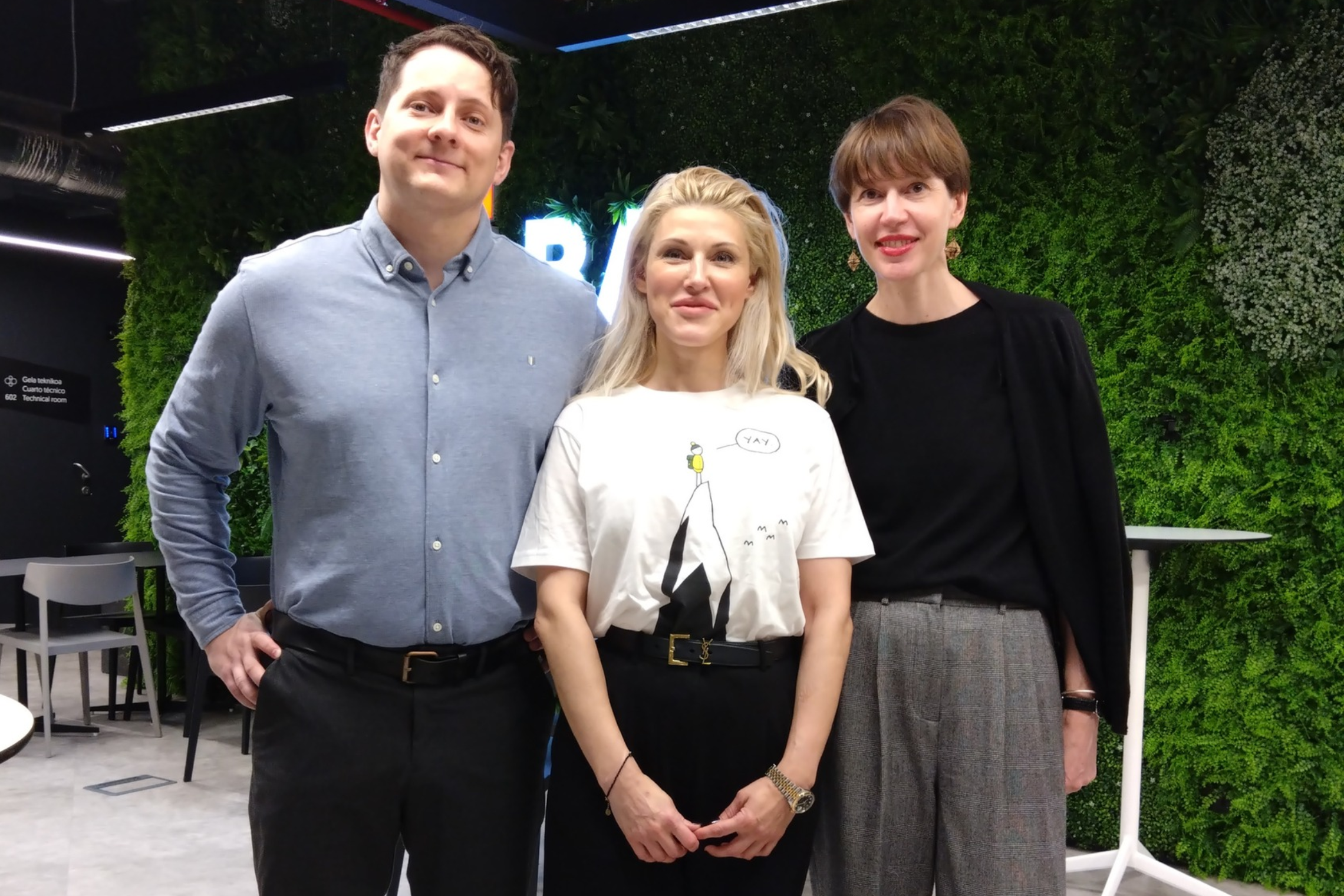
Researchers from Kaunas University of Technology (KTU) working on the international Care@Home project participated in an event organised by the European Partnership for Transforming Health and Care Systems (THCS) in Spain. The project aims to develop an artificial intelligence (AI)-based contactless monitoring system to enable older people to live independently and safely in their own homes for as long as possible.
The thematic training session From Research to Engagement, held in Bilbao on 9 November, was attended by KTU researchers and Care@Home project coordinators Professor Agnė Paulauskaitė-Tarasevičienė and Dr Rytis Augustauskas, as well as Živilė Ruželė, representative of the Research Council of Lithuania (RCL) and THCS Partnership Coordinator.
The event brought together coordinators and representatives of THCS-funded projects to discuss how to communicate research findings more effectively to the public, policymakers and other stakeholders, clearly demonstrate the value of their research and encourage its practical application.
The training combined theoretical knowledge with practical activities. Participants explored effective science communication methods, completed interactive exercises and shared their experiences. They were also introduced to the THCS Knowledge Hub, for which they prepared materials showcasing their projects during the training.
The event provided KTU researchers with an opportunity to present the Care@Home project (Artificial Intelligence for Monitoring Older People at Home) to the THCS community, establish connections with other THCS project teams and gain knowledge to support the dissemination of their project results.
Technology that monitors without intruding on everyday life
The Care@Home project team aims to develop an AI-based contactless monitoring ecosystem. It could help monitor older people’s body posture, vital signs and daily activities, while enabling the timely detection of unusual behavioural changes or potential health problems.
The solution will be based on Nearable & Airable Smart Sensors (NASS) technologies, Internet of Things (IoT) sensors, advanced AI algorithms and on-device data processing using TinyML. This combination of technologies will enable a substantial proportion of information to be processed locally, reducing the amount of sensitive data transmitted and enhancing personal privacy protection.
One of the project’s key distinguishing features is that monitoring would not require individuals to wear a dedicated device continuously. The system is designed to provide non-invasive monitoring with minimal disruption to everyday life, while supplying family members and care professionals with the information they need.
The project consortium also includes researchers from the Department of Geriatrics at the Lithuanian University of Health Sciences (LSMU), led by Professor Jūratė Macijauskienė, as well as universities in Tallinn, Riga, Warsaw, Tampere and Linköping. Researchers and practitioners from different countries bring together expertise in artificial intelligence, robotics, geriatrics, nursing, healthcare, ethics and technology assessment.
The participation of KTU (Grant Agreement No. S-THCS-26-2) and LSMU (Grant Agreement No. S-THCS-26-1) in the project is funded by the RCL under the THCS programme.
Last updated: 27-11-2026
Related news:
Lithuanian researchers invited to apply for NordForsk calls on women’s health and safe food research
Expert discussion: How is Lithuanian science strengthening national defence?
Second EDU Forum in Vilnius brought together the international educational research community
Lithuania Co-Organises the GRC European Regional Meeting for the First Time