

Lithuania and Taiwan Consolidate Funding for Extension of Scientific Projects
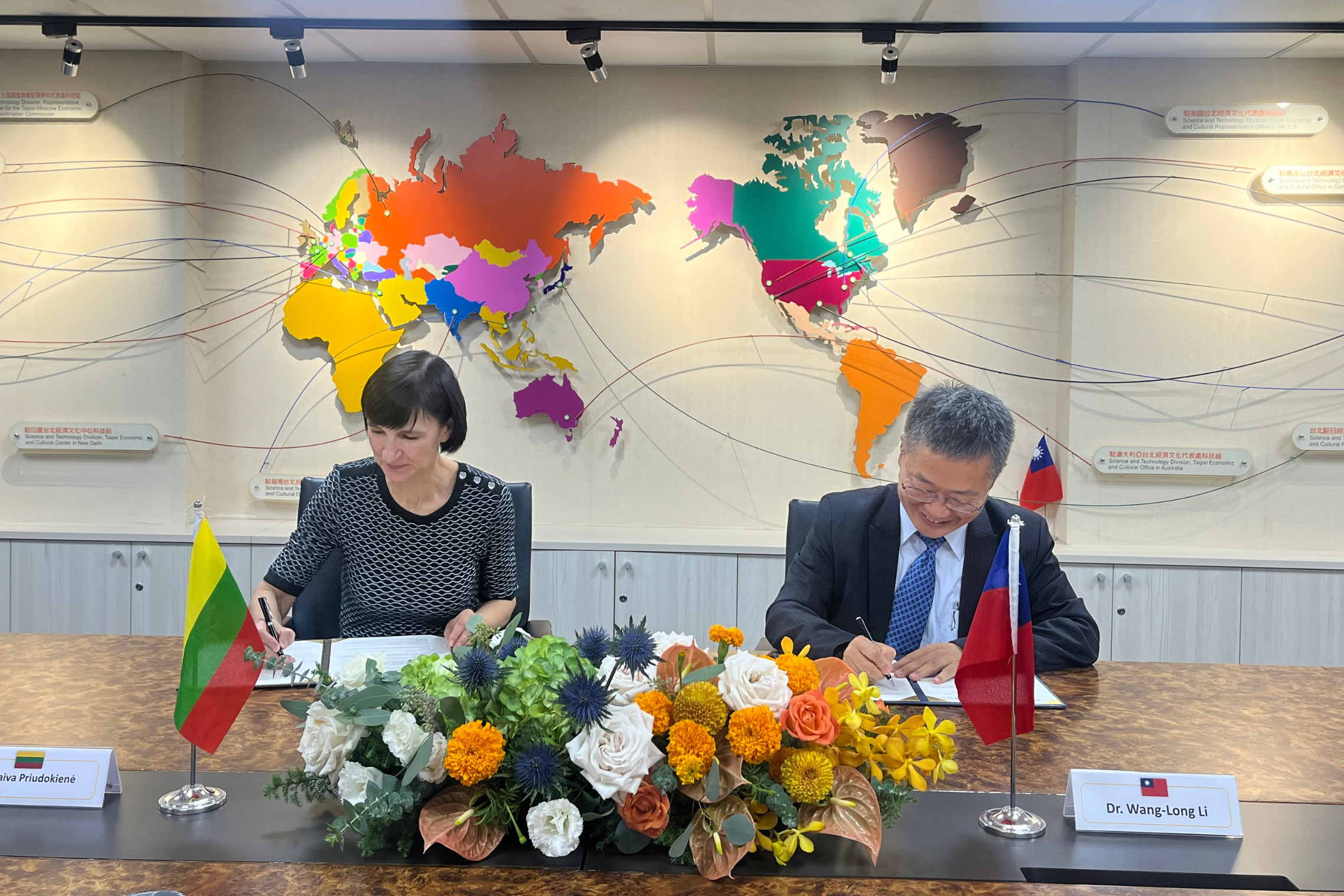
On 17 November 2025, the Research Council of Lithuania (RCL) and National Science and Technology Council of Taiwan (NSTC) signed an Addendum to Memorandum of Understanding (MoU), establishing provisions for funding the next stage of collaborative projects between Lithuanian and Taiwanese researchers.
The purpose of extension of the projects is to enable the continuation of successful existing partnerships and to further advance research at higher technology readiness level. Under the agreement, both countries will select up to five projects. The RCL will allocate 100,000 Euros to each selected project, while the NSTC will provide an equivalent amount in New Taiwan dollars for a one-year period.
The document sets out the funding conditions for extension of the projects, detailing the expert evaluation process and proposal assessment criteria. This structured funding framework will ensure the selection of projects that demonstrate the strongest scientific progress and the highest potential for practical application.
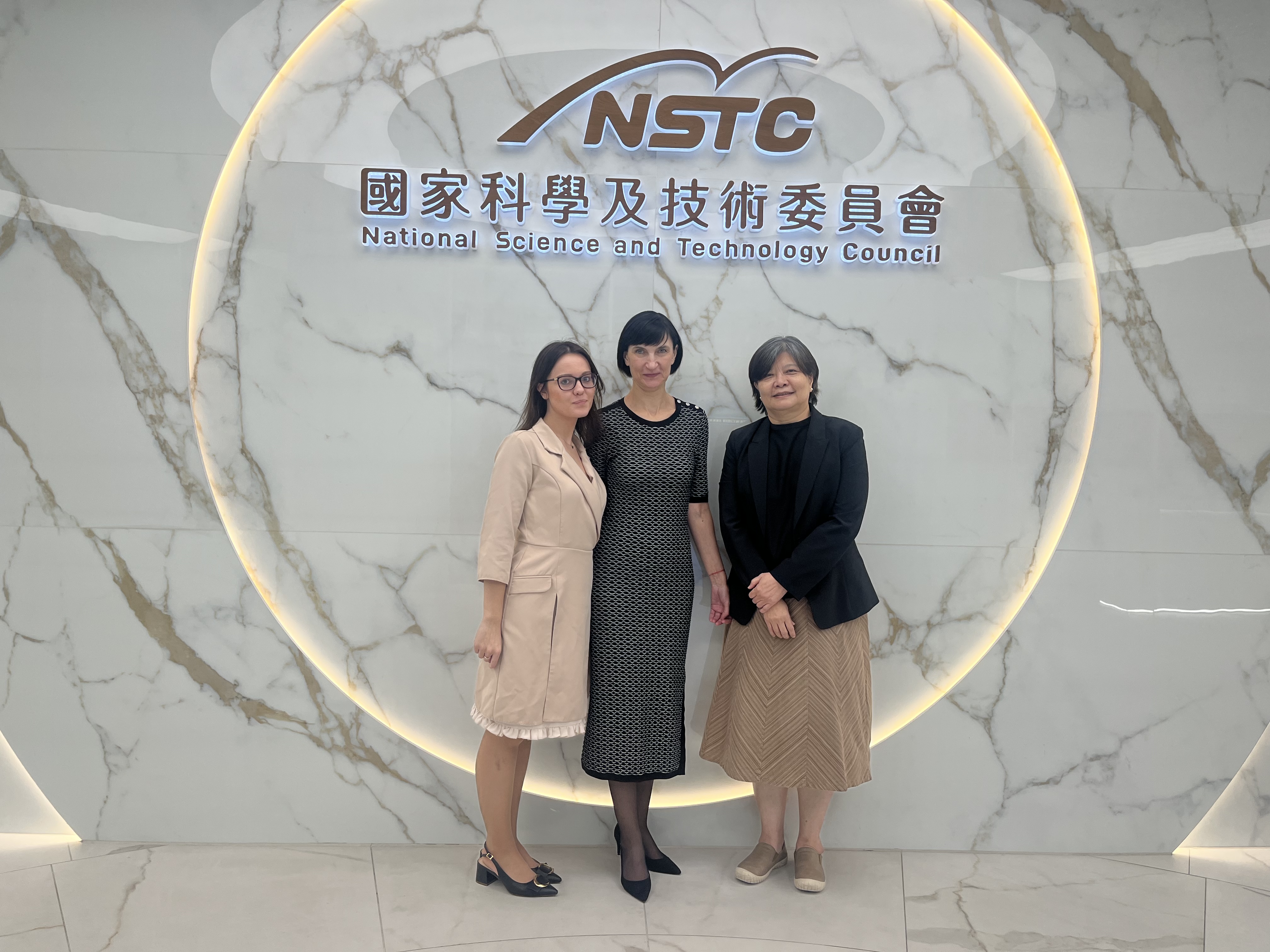 Bilateral cooperation between Lithuania and Taiwan began in 2023, when the MoU on the funding of joint Lithuania–Taiwan research projects was signed. Under that agreement, Lithuania committed 200,000 Euros and Taiwan pledged an equivalent amount in New Taiwan dollars to support joint two-year research projects. The MoU also expressed an ambition to enable the extension of successfully implemented projects in the future—an idea that is now developed in detail in this year’s Addendum.
Extension of the projects create the conditions for ensuring consistent research continuity and the targeted advancement of achieved results toward practical application, increased technological maturity, or preparation for further commercialization. This logic of extended funding is particularly relevant in the two areas covered by the bilateral agreement—biomedicine and laser technologies—where the solutions developed have the potential to become validated technological concepts or prototypes suitable for further development. In addition, extension of the projects strengthens international scientific cooperation by creating opportunities for shared infrastructure, data exchange, student mobility, and the formation of new research teams. Such partnership development contributes to greater visibility for Lithuania and Taiwan within the global scientific community.
Principal investigators of ongoing Lithuania–Taiwan projects ending in 2026 will be able to submit proposals for funding in the second half of next year, with the next stage of the implementation of the projects expected to begin in 2027.
More information will soon be available on the RCL website.
Last updated: 18-11-2025
Related news:
Lithuanian Universities’ Global Networks: How Can They Become a Strategic Asset for the Country?
More Trees in the City – Cleaner Air? According to a Researcher, It’s Not That Simple
RCL delegation explores Finland’s experience with flagship research programmes
Lithuanian Academy of Sciences and Research Council of Lithuania Sign Memorandum of Cooperation