

RCL Launches a Call to Uncover the Layers of Vilnius Cathedral’s History
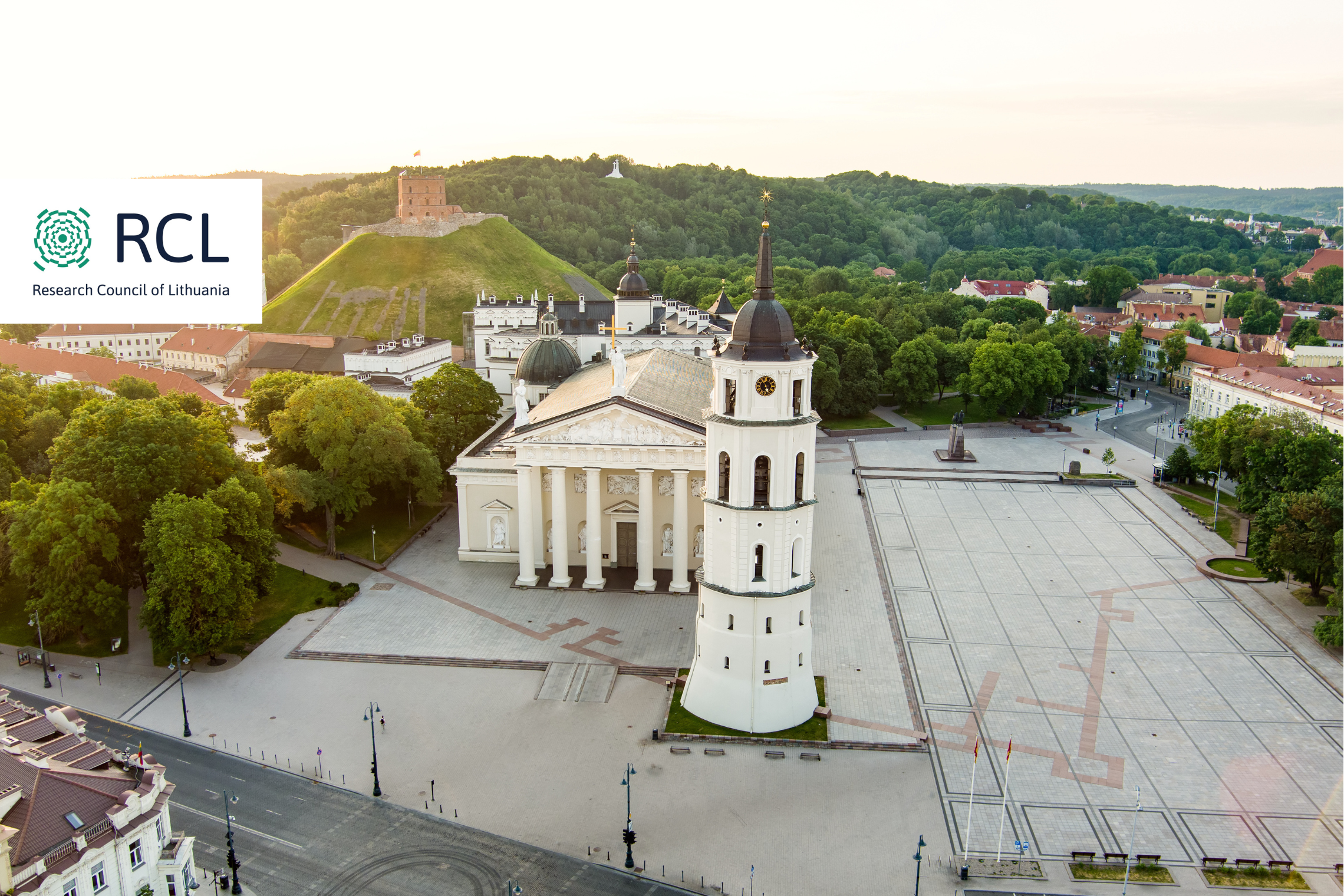
Vilnius Cathedral is not only an active place of worship and one of the most prominent architectural landmarks of the capital. Its walls, underground spaces and surroundings embody the intertwined histories of the Lithuanian state, the Church, the city, art and society. To ensure that these historical layers are systematically investigated using modern research methods and made accessible to the public, the Research Council of Lithuania (RCL) has launched a targeted call under the 2025–2030 Lithuanian Studies Priority Programme for comprehensive interdisciplinary research into the Cathedral Basilica of St Stanislaus and St Ladislaus of Vilnius.
A Place Where the History of Lithuania Converges
For more than six centuries, Vilnius Cathedral has been closely associated with the most significant transformations in the history of Vilnius and Lithuania. It bears witness to Lithuania’s integration into the Western Christian cultural sphere, the early traditions of professional music and education, the Neoclassical design created by Laurynas Gucevičius, the Cathedral’s closure during the Soviet era and its return to the faithful during the period of national revival. Events of national importance have been commemorated here, rulers, nobles and members of the clergy have been laid to rest here, and every phase of construction or reconstruction has left behind a distinct layer of history.
However, this history has not yet been fully explored. Earlier stages of construction, the development of the chapels and underground spaces, historical burials, and the relationships between individual finds are just some of the questions that have yet to be addressed through a single, coherent study bringing together different fields of research. Many previous investigations were conducted in preparation for restoration work or focused on individual issues, meaning that the accumulated data remain fragmented.
This call under the Lithuanian Studies Priority Programme responds to the public need for reliable knowledge rather than speculation. Questions raised in the public sphere concerning the Cathedral’s underground spaces, historical burials and the memory of Lithuania’s rulers demonstrate that its past remains highly relevant today. The RCL seeks to create the conditions for these questions to be addressed through scientific research, in accordance with ethical principles and by bringing together specialists from different fields.
Up to EUR 1.5 Million for One Comprehensive Project
The call aims to bring together researchers from Lithuanian and international higher education and research institutions. The project is expected to examine the historical, architectural, heritage conservation, archaeological and art-historical dimensions of the Cathedral complex, reveal its significance within the context of world heritage, and develop research-based solutions for its preservation and presentation to the public.
Applications will be assessed by an international panel of experts. One project with a duration of up to 48 months will be funded, with funding of up to EUR 1.5 million available. Applications may be submitted by a Lithuanian higher education or research institution included in the Register of Education and Research Institutions, with partners from Lithuania or abroad involved where appropriate.
Research Results Must Be Made Accessible to the Public
The call places considerable emphasis on research quality, data management, ethics and the accessibility of results. Applicants will be required to explain how ethical issues related to the research will be addressed, how data will be collected and stored, how information about the progress of the project will be communicated, and how the results will be used. The application must also propose approaches to the restoration, preservation and public presentation of the Cathedral.
Early-career researchers and students must be involved in the project activities. The project is expected not only to generate new knowledge about the Cathedral complex, but also to contribute to the development of researchers capable of working with complex, interdisciplinary cultural heritage sites of significant public importance.
Applications Open Until 14 August
Applications must be submitted in English via the electronic system at junkis.lmt.lt by 4:00 p.m. on 14 August 2026.
Further information on the terms of the call and the application procedure is available here.
Key Dates of the RCL Call:
- Administrative eligibility check and appointment of the expert panel – by 21 August 2026
- Expert evaluation of applications – by 7 October 2026
- Submission and consideration of appeals – by 30 November 2026
- Signing of the grant agreement – by 30 October 2026
- Project implementation – by 31 October 2030
Last updated: 30-07-2026
Related news:
Lithuanian Universities’ Global Networks: How Can They Become a Strategic Asset for the Country?
More Trees in the City – Cleaner Air? According to a Researcher, It’s Not That Simple
RCL delegation explores Finland’s experience with flagship research programmes
Lithuanian Academy of Sciences and Research Council of Lithuania Sign Memorandum of Cooperation